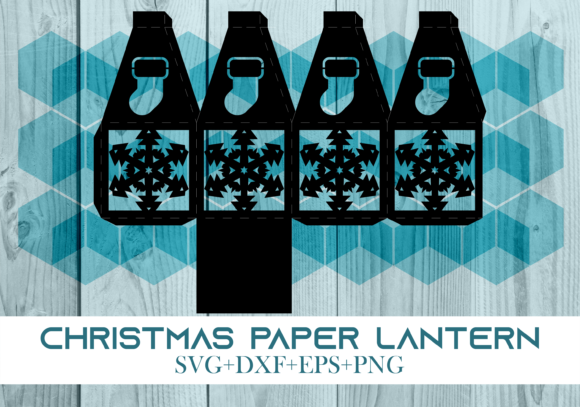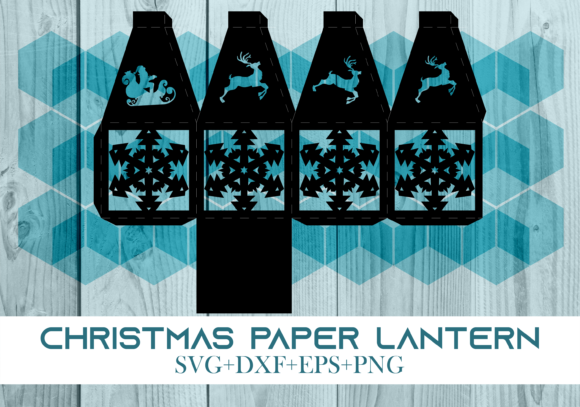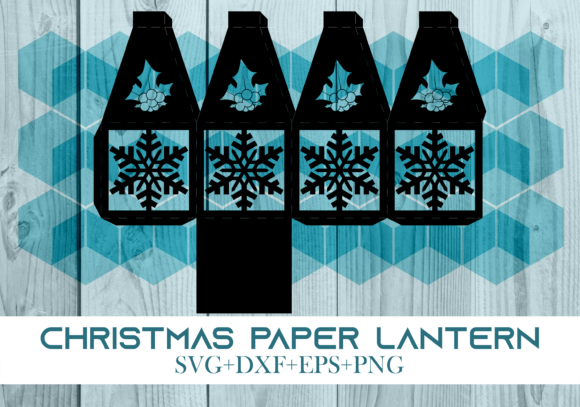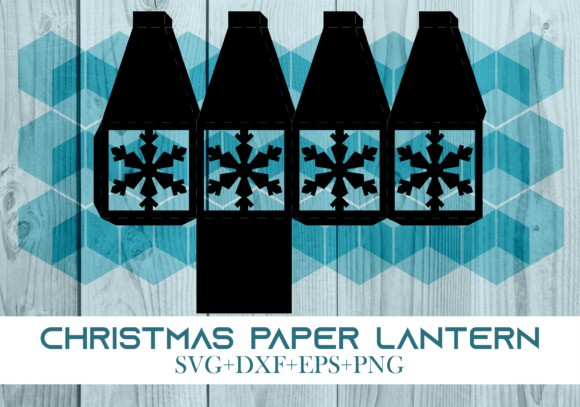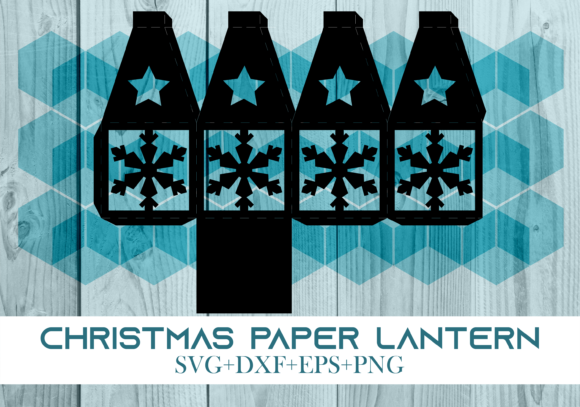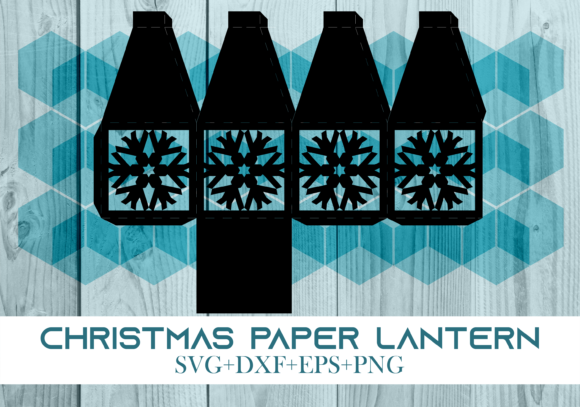
Christmas Paper Lantern Series 0163: A Maker's Review
As a designer who constantly evaluates digital assets for both personal crafting and commercial production, I approach every new file with a specific set of criteria. When I first opened Christmas Paper Lantern Series 0163, my immediate focus was on its structural integrity and aesthetic versatility. While the product description highlights its suitability for an 8.5 x 11.7 sheet as a paper craft or window decoration, my mind immediately went to how this silhouette could translate into textile applications. For embroidery designers, Etsy sellers, and makers looking to expand their holiday inventory, understanding the crossover potential of a 3D SVG file is crucial. This review breaks down how this lantern design performs when adapted for real-world embroidery projects, from custom apparel to boutique home decor.
First Impressions: Mood and Structural Versatility
The visual personality of Christmas Paper Lantern Series 0163 strikes a balance between traditional nostalgia and clean, modern lines. Unlike overly ornate Victorian styles that can become muddy when stitched, this design possesses a geometric clarity that is essential for successful machine embroidery. The mood is warm and inviting, making it an instant candidate for cozy holiday merchandise. As a 3D SVG, the file offers depth information that is incredibly valuable even if you aren't building a physical paper lantern. For an embroidery digitizer, those layers represent natural color breaks and applique opportunities.
When evaluating this as a design asset, I look for shapes that hold up at various scales. This lantern maintains its recognition factor whether scaled down for a baby bib or enlarged for a tote bag design. The negative space within the lantern panels is particularly well-defined, which suggests it will digitize cleanly without excessive jump stitches or registration issues. For creative entrepreneurs, this means less time fixing files and more time producing finished products.
Real-World Application: Stitching the Lantern for Retail
To truly test the viability of Christmas Paper Lantern Series 0163, I mentally mapped it onto a current client request: a line of premium holiday tea towels and matching embroidered patches for a local boutique. In this scenario, the design needs to be more than just pretty; it must be production-friendly.
For the tea towels, I envision using this lantern as a centerpiece applique design. The distinct panels of the lantern allow for mixed media techniques—perhaps a linen fabric for the body and a metallic gold thread for the frame using a satin stitch border. This combination elevates the perceived value of the handmade product. Customers are willing to pay more for texture and dimension, and this SVG provides the perfect roadmap for achieving that look through embroidery rather than flat printing.
Regarding the embroidered patch application, the bold outlines of Series 0163 are ideal. Patches require dense satin borders and stable fill stitches to prevent fraying. Because this lantern was originally designed with structural folding in mind, the lines are purposeful rather than decorative fluff. This translates to a patch that looks professional and crisp, even when viewed from a distance on a denim jacket or canvas backpack. For Etsy sellers, offering this design as both a standalone digital embroidery file and a finished physical patch creates multiple revenue streams from a single asset.
Navigating Fabric Limitations and Hoop Constraints
While Christmas Paper Lantern Series 0163 is versatile, it demands respect for fabric physics. Not every textile is a suitable canvas for this level of detail. I would advise extreme caution when attempting this design on high-pile fabrics like terry cloth or plush fleece without proper preparation. The intricate internal lines of the lantern can get lost in the texture, resulting in a design that looks unfinished or messy.
Stretchy fabrics present another challenge. If you are planning sweatshirt embroidery or custom apparel on knit jersey, the geometric rigidity of the lantern can distort if the stabilizer is insufficient. A cut-away stabilizer is non-negotiable here to maintain the squareness of the lantern frame. Additionally, consider your hoop size carefully. While the source file fits a standard letter-sized sheet, resizing it for a 4x4 hoop requires simplifying internal details. Trying to force complex geometry into a small hoop often leads to thread breaks and poor registration. Always verify that your specific embroidery file version supports the scale you intend to use.
Dark fabrics also require strategic planning. Since paper lanterns are associated with light, stitching this design on black or navy velvet can be stunning, but only if you use high-contrast thread colors. A white or cream running stitch outline against dark fabric mimics the glow of a real lantern. However, avoid dense fill stitches on dark garments unless you want a stiff, bulletproof feel. Let the fabric breathe.
Elevating Brand Value Through Thoughtful Execution
Using Christmas Paper Lantern Series 0163 effectively goes beyond technical execution; it impacts how customers perceive your brand. In the saturated market of holiday embroidery, professionalism is the differentiator. A cleanly stitched version of this lantern signals attention to detail. When buyers see crisp corners and balanced stitch density, they trust that the rest of your shop’s inventory meets the same standard.
For those selling digital embroidery files derived from this series, presentation is everything. Do not rely solely on software-generated mockups. Create printable mockups using actual stitched samples photographed in natural light. Show the design on a textured linen napkin next to a ceramic mug, or pinned to a rustic wooden shelf. This contextualizes the 3D SVG origin while proving its utility as a textile design. It helps the buyer visualize the end result, reducing hesitation and increasing conversion rates for your digital assets.
Essential Designer Notes for Production Success
Before you commit Christmas Paper Lantern Series 0163 to a commercial run or a cherished personalized gift, adhere to these practical checkpoints:
- Test on Scrap Fabric First: Never assume the digital preview matches the stitch-out. Run a test on a fabric scrap that matches the weight and weave of your final project to check for puckering or gap issues.
- Verify Licensing Terms: The product description mentions downloading the pattern, but it does not explicitly state commercial embroidery rights. Before listing finished items or reselling digitized versions, confirm the license allows for commercial embroidery use to protect your business.
- Analyze Stitch Density: If converting the SVG yourself, ensure the fill stitch density is appropriate for your chosen fabric. Too dense causes needle breaks; too sparse allows fabric to show through. Adjust based on material weight.
- Check Thread Color Contrast: View your color chart in grayscale. If the lantern’s frame and body blend together in black and white, they will lack definition in person. Ensure sufficient contrast for visual clarity.
- Stabilizer Selection: Match your stabilizer to the fabric, not just the design. Woven fabrics may only need tear-away, while knits and sheers require cut-away or water-soluble toppings to keep the lantern lines sharp.
- Mockup Reality Check: Compare your design on both light and dark backgrounds digitally before stitching. Some details visible on white may disappear on red or green holiday fabrics.
Ultimately, Christmas Paper Lantern Series 0163 offers a robust foundation for holiday creativity. Whether you are crafting a bespoke nursery mobile, stocking your Etsy shop with seasonal tea towels, or designing a unique holiday greeting card, this asset brings a structured elegance to the table. By treating it with the technical respect required for embroidery adaptation, you transform a simple paper craft file into a profitable, professional-grade design element that resonates with buyers seeking authentic, high-quality holiday decor.