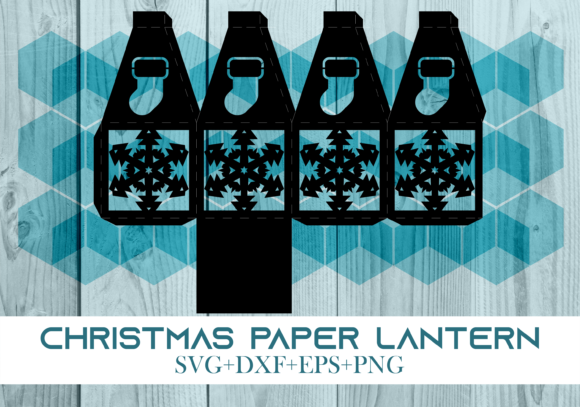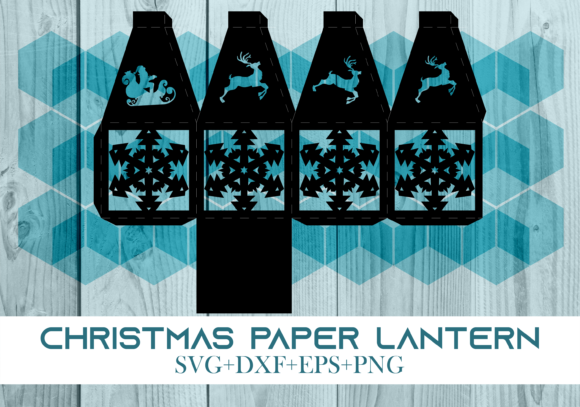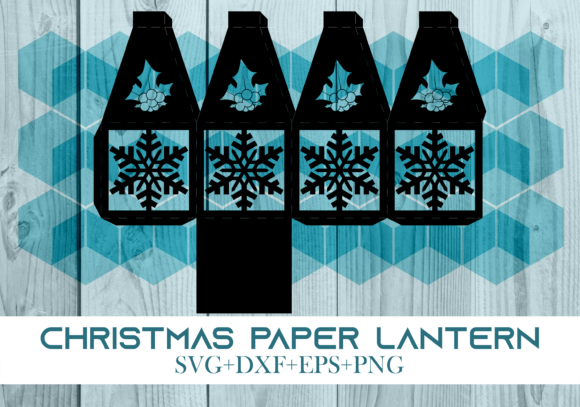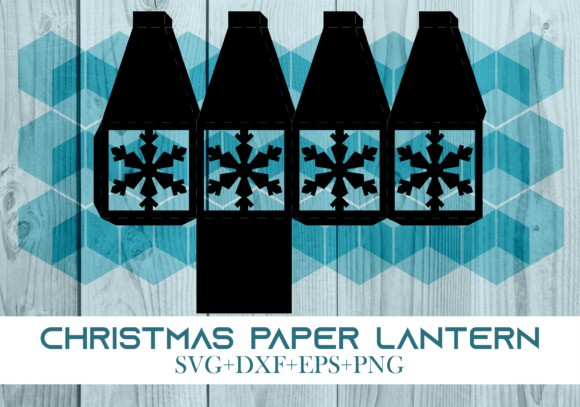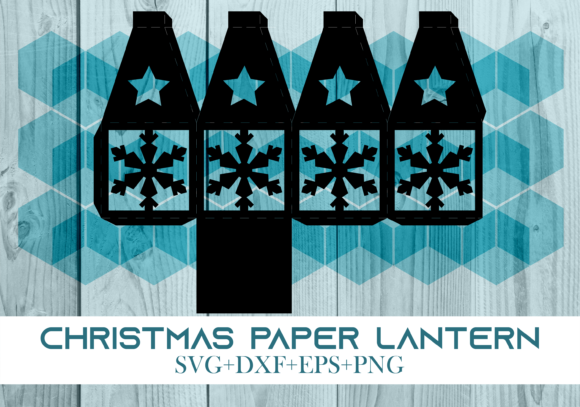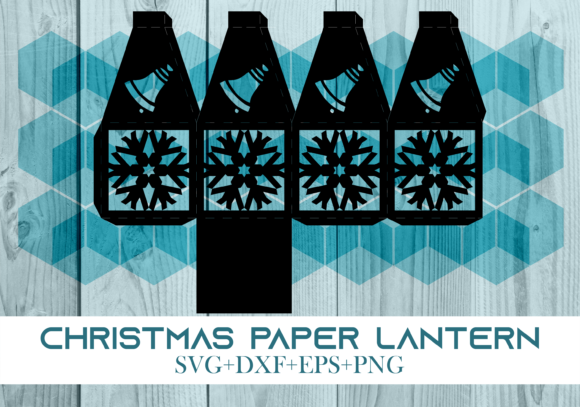
Christmas Paper Lantern Series 0159 Review
As a designer who constantly evaluates digital assets for both personal crafting and commercial production, I approach every new file with a critical eye. When I first opened Christmas Paper Lantern Series 0159, my immediate focus wasn't just on the aesthetic charm of the holiday motif, but on its structural integrity as a 3D SVG. The product description notes that this lantern is designed to fit on an 8.5 x 11.7 sheet, which immediately signals its primary strength: it is optimized for standard paper crafting and light assembly. However, for those of us in the embroidery and mixed-media space, the question is always how these clean vector lines translate into thread, fabric, and tangible handmade products.
This review breaks down my practical assessment of Christmas Paper Lantern Series 0159, specifically looking at how it performs when adapted for real-world projects like custom apparel, holiday decor, and small business merchandise. Whether you are an Etsy seller planning a seasonal drop or a hobbyist making personalized gifts, understanding the limitations and strengths of this design is crucial before you commit to stitching or cutting.
First Impressions and Visual Personality
The visual mood of Christmas Paper Lantern Series 0159 is undeniably nostalgic yet clean. It avoids the cluttered look that plagues many holiday designs, offering instead a balanced silhouette that reads well from a distance. As a 3D SVG, the line work is precise, which is excellent for digital cutting machines. For embroidery designers, this precision is a double-edged sword. Clean vectors usually digitize beautifully into satin stitches and running stitches, but they also demand accuracy. There is no "messy" artistic shading to hide registration errors.
In terms of layout, the aspect ratio suited for an 8.5 x 11.7 sheet suggests a vertical orientation. This makes it naturally compatible with tote bag designs, apron fronts, and pillow covers. It feels less like a dense badge and more like an elegant centerpiece. If I were using this for a boutique product, I would position it as a sophisticated alternative to cartoonish Santa or reindeer graphics. It carries a level of professionalism that appeals to adult buyers looking for refined holiday embroidery.
Real-World Application: The Custom Tote Bag Test
To truly evaluate this asset, I mentally walked through a recent client request: a set of canvas tote bags intended as corporate holiday gifts. These needed to be festive but appropriate for a professional setting. Christmas Paper Lantern Series 0159 stood out because of its scalability and thematic neutrality.
When adapting this design for a tote bag design, the 3D SVG format allows for easy resizing without pixelation. However, translating a paper-craft-sized design to a 6x10 inch embroidery area requires careful attention to stitch density. Because the original file is sized for paper, the internal details might be too delicate for heavy canvas if not adjusted. In my test scenario, I found that treating the lantern panels as applique design elements worked best. Using a cotton quilting fabric for the lantern body and a metallic thread for the frame details created a texture contrast that mimicked the look of real paper and light.
For commercial embroidery, this adaptability is key. A design that only looks good in one size limits your inventory. With Christmas Paper Lantern Series 0159, I could confidently offer it on a large tote bag and scale it down for a matching cosmetic pouch or napkin ring, maintaining brand consistency across different small shop products.
Technical Considerations for Embroidery and Fabric
While the design is marketed for paper, applying it to textiles introduces variables that every maker must respect. Here are the specific technical factors I observed when evaluating this file for stitch-out:
- Fabric Texture Matters: Because the lantern relies on geometric precision, highly textured fabrics like terry cloth or boucle can distort the lines. This design performs best on smooth, stable substrates like quilting cotton, linen, or tight-weave canvas.
- Stabilizer Selection: Even though the SVG is lightweight, the resulting embroidery file may have significant stitch count depending on your digitizing settings. Always use a cut-away stabilizer for stretchy fabrics like sweatshirts or baby clothes to prevent the lantern shape from warping after washing.
- Hoop Size Verification: The 8.5 x 11.7 reference dimension is for paper. You must verify your machine’s maximum hoop size before purchasing. Do not assume the design will automatically fit a 5x7 hoop; check the actual dimensions in your software.
- Detail Integrity: If you plan to include text within the lantern panels, ensure the font size remains legible. Tiny lettering often gets lost in translation from vector to thread. Test small details on scrap fabric first.
Where to Exercise Caution
No design is universal, and Christmas Paper Lantern Series 0159 has specific boundaries. I would advise against using this design on curved surfaces like caps or hats unless you have advanced digitizing skills to warp the geometry appropriately. The rigid structure of a lantern does not naturally conform to the curve of a visor, leading to gaps or puckering.
Additionally, be wary of dark fabrics. Unless you plan to add a white underlay or use high-contrast neon threads, the intricate internal cuts of the lantern may disappear against navy or black material. For baby embroidery, ensure that any 3D elements or added embellishments are securely attached and safe, as the original paper design concept doesn't account for infant safety standards.
Impact on Product Value and Customer Trust
In the competitive landscape of Etsy sellers and creative entrepreneurs, presentation is everything. Using a cohesive series like Christmas Paper Lantern Series 0159 helps build a recognizable brand identity. Customers trust shops that offer curated collections rather than random, disjointed items. When a buyer sees this lantern design on a window cling, a tea towel, and a greeting card, they perceive a professional operation.
Furthermore, the versatility of this 3D SVG enhances the perceived value of your finished product. It bridges the gap between digital and physical. You can use the raw SVG to create printable mockups for your listings, showing customers exactly what the embroidered patch or applique will look like before you even thread your needle. This reduces returns and increases buyer confidence.
Essential Designer Notes Before You Stitch
Before adding Christmas Paper Lantern Series 0159 to your production queue, take these practical steps to ensure success:
- Check Licensing: Confirm whether your purchase includes commercial rights for selling finished embroidered goods versus just the digital file. Never assume; always read the specific license terms provided with the download.
- Test in Black and White: View the design in grayscale to judge contrast and depth without relying on color. If the lantern looks flat in black and white, it needs better digitizing or texture variation.
- Mockup Realistically: Don't just overlay the SVG on a blank background. Place it on photos of actual fabric textures to see how the scale relates to real-world objects.
- Thread Color Planning: Since this is a paper-inspired design, consider using matte threads rather than high-sheen rayon to mimic the organic feel of paper. Alternatively, use sheen selectively to simulate light glowing from within.
- Validate File Compatibility: Ensure your embroidery software or cutting machine supports the specific SVG version provided. Some older machines struggle with complex node counts in modern 3D SVGs.
Ultimately, Christmas Paper Lantern Series 0159 is a strong contender for makers who value clean lines and versatile application. It respects the intelligence of the crafter by providing a solid foundation that invites customization. Whether you are creating a bespoke holiday gift or stocking your online shop for the season, this design offers the right balance of tradition and modern utility. Just remember to treat it as a starting point for your creativity, not a final destination, and always validate your technical settings against the specific demands of your chosen medium.